Students in Madhya Pradesh often face confusion when deciding between state-level and central scholarship schemes. Two major platforms frequently discussed are MPTAAS and NSP. While both provide financial assistance to eligible students, they differ in administration, eligibility criteria, funding structure, application workflow, and approval mechanisms. https://mptaasscholarships.pages.dev/
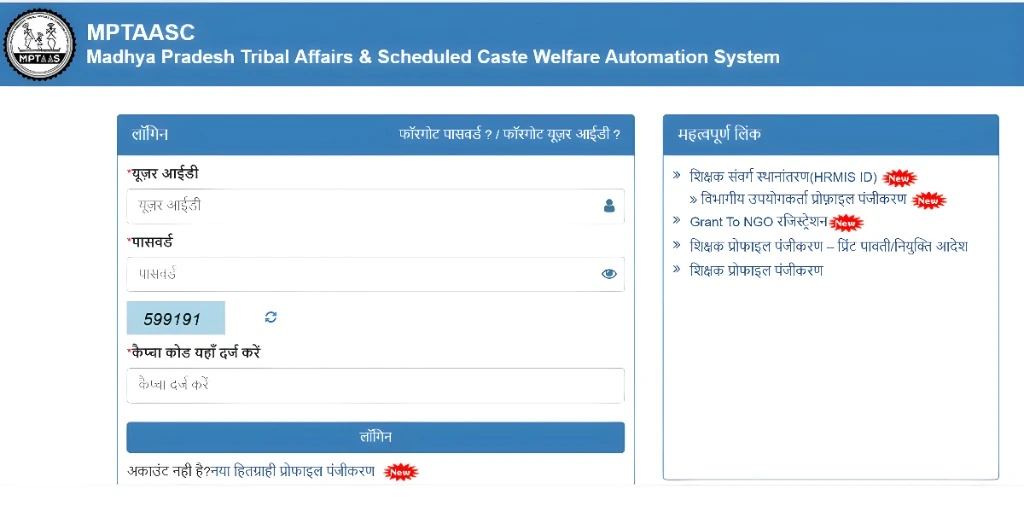
MPTAAS (Madhya Pradesh Tribal Affairs Automation System) is managed by the Department of Tribal Affairs and Scheduled Caste Welfare under the Government of Madhya Pradesh. On the other hand, the National Scholarship Portal (NSP) is a centralized national platform managed by the Government of India to distribute multiple scholarship schemes across states.
This guide provides a detailed, structured comparison to help students from Madhya Pradesh make an informed decision based on eligibility, funding benefits, processing speed, and long-term academic planning.
Understanding the Core Difference
What is MPTAAS?
MPTAAS is a state-level scholarship management system designed specifically for permanent residents of Madhya Pradesh belonging to SC, ST, and OBC categories. It primarily supports post-matric students studying in recognized institutions within or outside the state. It operates through district-level verification and state budget allocation.
What is NSP?
The National Scholarship Portal is a centralized online platform that hosts multiple scholarship schemes offered by different ministries of the Government of India. These include pre-matric, post-matric, merit-based, minority, and special category scholarships. NSP acts as a unified digital gateway but the actual schemes vary depending on ministry and eligibility.
Administrative Structure Comparison
| Parameter | MPTAAS | NSP |
|---|---|---|
| Governing Authority | Government of Madhya Pradesh | Government of India |
| Scope | State-specific | Nationwide |
| Target Audience | MP domicile SC/ST/OBC students | Students across India |
| Funding Source | State budget | Central government budget |
| Verification Level | College + District | Institute + State + Central |
The administrative control determines how quickly funds are sanctioned and how scrutiny is performed.
Eligibility Criteria Differences
Residency Requirements
MPTAAS strictly requires permanent residency in Madhya Pradesh. Domicile verification is mandatory. NSP schemes may require state domicile depending on the specific scholarship, but many central schemes allow broader eligibility.
Category Coverage
MPTAAS focuses on Scheduled Castes, Scheduled Tribes, and Other Backward Classes. NSP includes SC/ST, OBC, minority communities, Economically Weaker Sections (depending on scheme), and merit-based general category schemes.
Income Limits
Income ceilings differ between the two systems. NSP income limits vary by ministry scheme, while MPTAAS follows state-defined thresholds.
Application Process Comparison
MPTAAS Workflow
Student registration → Aadhaar-based authentication → Samagra ID validation → College verification → District welfare scrutiny → Sanction and DBT.
NSP Workflow
One Time Registration (OTR) → Aadhaar authentication → Institute verification → State nodal officer review → Ministry-level approval → Fund disbursement through DBT.
NSP typically involves an additional central ministry layer, which may increase overall processing time.
Scholarship Amount and Benefits
MPTAAS Benefits
MPTAAS provides maintenance allowance with hosteller and day scholar differentiation, tuition fee reimbursement especially in government institutions, and direct bank transfer.
NSP Benefits
NSP benefits depend on the specific scheme selected. Some schemes provide full tuition reimbursement, maintenance allowance, book allowance, and special incentives for girls or minority students. The variability of NSP makes it broader but sometimes complex to understand.
Approval Speed and Timeline
| Stage | MPTAAS Estimated Time | NSP Estimated Time |
|---|---|---|
| Institutional Verification | 1–3 weeks | 1–3 weeks |
| District/State Review | 2–4 weeks | 3–6 weeks |
| Central Ministry Approval | Not Applicable | 2–4 weeks |
| Total Estimated Duration | 1–3 months | 2–5 months |
MPTAAS may process faster due to fewer hierarchical levels, but it depends heavily on state budget release cycles.
Renewal Process Comparison
MPTAAS Renewal
Renewal under MPTAAS requires academic performance verification, institutional sync, district re-verification, and income certificate review.
NSP Renewal
NSP renewal depends on scheme guidelines and involves academic progress validation and central approval continuation. NSP renewal may involve revalidation at both state and ministry levels.
Payment Mechanism
Both platforms use Direct Benefit Transfer (DBT), but routing differs. MPTAAS follows the path: State Treasury → DBT Processing → Bank Account Credit. NSP follows: Ministry → Public Financial Management System (PFMS) → DBT → Bank Credit. Additional PFMS routing sometimes causes longer transaction cycles in NSP cases.
Can You Apply for Both?
This is a common question among students. In most cases, you cannot receive benefits from two similar post-matric government scholarships simultaneously. If both schemes cover the same expense category, one must be chosen, and double claiming can result in rejection or recovery. Students should carefully review scheme guidelines before applying to both.
Advantages and Disadvantages
Advantages of MPTAAS
MPTAAS is focused on MP residents, offers direct district-level accountability, provides clear category-based benefits, and has a simplified structure.
Disadvantages of MPTAAS
It is limited to specific social categories, has budget dependency on state finances, and is restricted in geographic scope.
Advantages of NSP
NSP offers multiple schemes in one platform, nationwide recognition, wider category inclusion, and central funding strength.
Disadvantages of NSP
It involves complex scheme selection, a longer approval chain, and scheme-specific eligibility confusion.
Decision Guide: Which One Should You Choose?
Choose MPTAAS if:
You are a permanent resident of Madhya Pradesh, belong to SC/ST/OBC categories, your course falls under state-recognized categories, and you want state-level structured support.
Choose NSP if:
You qualify under central government schemes, belong to minority or special categories not covered by MPTAAS, your academic performance aligns with merit-based schemes, or your institution actively processes NSP applications.
In some cases, students may be eligible for different types of schemes under NSP that do not overlap with MPTAAS benefits. Careful reading of scheme guidelines is essential.
Frequently Asked Questions
Conclusion
MPTAAS and NSP serve similar goals but operate under different administrative models. MPTAAS is a state-driven scholarship mechanism tailored for Madhya Pradesh students belonging to specific social categories. NSP is a centralized national platform offering diverse schemes under multiple ministries.
The right choice depends on your domicile status, category eligibility, income level, course type, and academic performance. Instead of choosing blindly, students should compare scheme benefits, approval timelines, and renewal conditions carefully. Making an informed decision ensures uninterrupted financial support and reduces the risk of rejection, duplication, or delayed payments.